Musk Sets Late 2027 Target for Tesla Optimus External Deliveries
Tesla’s humanoid robot rollout is pushed back as engineers struggle to solve durability and dexterity issues in the robot's hands and AI systems.
By Robert Hayes ·
Elon Musk has set a new target for late 2027, marking the earliest timeframe Tesla expects to start delivering its Optimus humanoid robots to outside customers. During the company’s Q3 2026 earnings call, Musk acknowledged that significant hurdles remain, specifically citing the robot’s hands, overall durability, and its artificial intelligence as areas requiring substantial development before the machines are ready for the market.
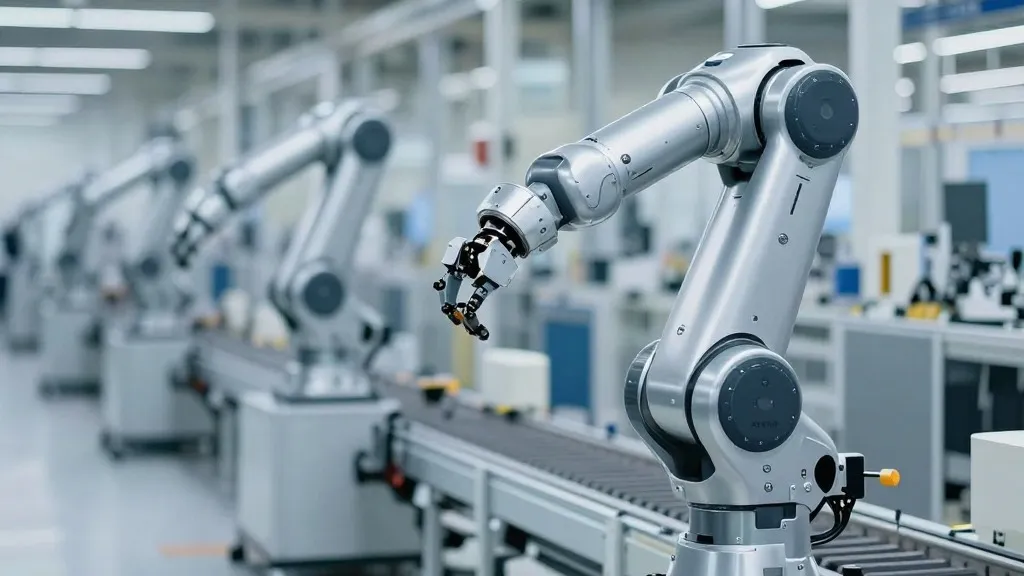
The first key challenge is the physical hardware, particularly the hands. A Tesla Optimus engineer identified the hand as one of the most difficult components to perfect. The fingers must be soft enough to handle delicate objects but tough enough to withstand constant wear, a balance that is hard to achieve since robots cannot heal like human skin. Musk agreed that this is the primary hardware issue, noting that custom gears also carry reliability concerns that need to be resolved.
The second major hurdle is the robot’s brain. Tesla is still working through problems with its AI architecture. Unlike its fleet of cars, which collects data for its Full Self-Driving system, Tesla does not have a large fleet of robots to learn from. To address this, the company plans to build between 10,000 and 20,000 robots for an internal program called the Optimus Academy, where they will practice tasks to improve generalization. The AI5 chip is expected to be integrated into Optimus around April 2027.
The third point of focus is the production ramp-up in Fremont, California. Musk stated that early production has begun on the high-volume line formerly used for the Model S and Model X. While most of the infrastructure for a capacity of one million robots per year is installed, he expects it will take at least a year, possibly longer, to reach a rate of 20,000 units per week because parts of the design are still in flux. He promised a video within one or two months showing the robot performing unscripted tasks to demonstrate this progress.
Contextualizing these delays, the timeline for Optimus has shifted repeatedly. In 2024, Musk suggested internal use by 2025 and high-volume external sales by 2026. By early 2025, he predicted about 10,000 units would be built, with several thousand doing useful work by year’s end, a claim he later retracted. Now, the focus is on external deliveries in late 2027, with the Q3 shareholder letter describing current output as the first "production-quality" bots from the Fremont line.
Competitors are not standing still. XPeng turned on an automated production line in Guangzhou in September, with plans for mass production by the end of 2026 and deliveries in the first half of 2027, starting with retail environments. Meanwhile, Boston Dynamics began producing its electric Atlas in January, with all 2026 deployments already committed, including to Google DeepMind. Hyundai, which owns Boston Dynamics, plans to deploy 25,000 robots across its plants in the coming years.
Musk argued on the call that no one is even close to Tesla in developing a general-purpose humanoid. However, the pace of competitors suggests otherwise. Boston Dynamics has taken a pragmatic approach to the hand problem by prioritizing sturdy industrial grippers over human-like dexterity, a strategy that may bypass the specific bottleneck Tesla is facing. As the industry moves forward, the question remains whether Tesla’s late-2027 target will hold, given the history of shifting timelines in the robotics sector.
Source: Electrek