Texas Chip Plant: Musk promises faster equipment delivery
Suppliers are rushing to meet aggressive deadlines for a new facility that aims to produce massive amounts of AI computing power by late 2028.
By Mykola Bondarenko ·
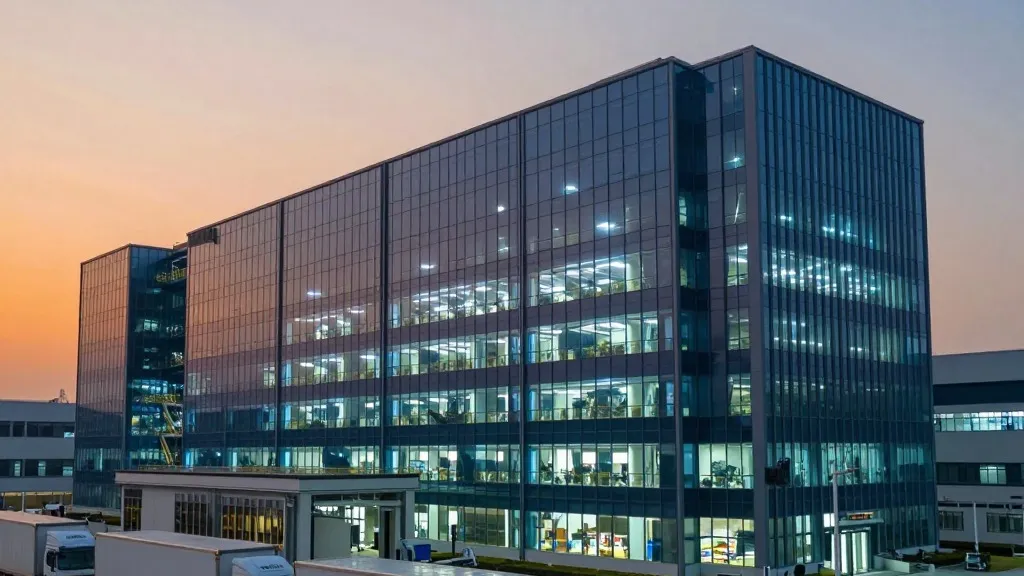
Major semiconductor equipment makers are moving gear to a new Texas factory faster than planned. This shift supports a tight schedule for a joint venture between Tesla and SpaceX. The goal is to start mass producing chips within two years. This move could influence the supply of advanced processors for AI and electric vehicles in the coming decade.
Elon Musk made the announcement during a live broadcast on X. The event was part of SpaceX's third-quarter 2026 earnings call on October 20. Musk stated that ASML and other key suppliers have accelerated their shipments. He described the timeline as highly aspirational with large margins of error. The primary facility is located in Gibbons Creek, Texas.
Musk expressed gratitude to ASML for helping meet these aggressive dates. The company is targeting volume production by the third or fourth quarter of 2028. Before that, SpaceX plans to make its first experimental test chip. That prototype will come from a research fabrication facility in Austin around the second quarter of 2027. The project is a multi-billion dollar vertically integrated factory.
The plant aims to manufacture one terawatt of AI computing power annually. It will handle logic, memory, and advanced packaging in one location. Musk noted that the commercial value of this output could rival the GDP of a top 20 country. For context, Switzerland currently holds the twentieth spot with a GDP of roughly $1.14 trillion. The facility will use Intel's 14A manufacturing node technology.
Intel joined the venture in April 2026. The company is helping co-develop and refactor silicon fabrication technology. ASML remains a critical partner as the sole commercial supplier of extreme ultraviolet lithography systems. Each system costs around $400 million. Unofficial sources suggest the first EUV tool was slated for mid-2027. It is unclear if that date has been moved up.
Other suppliers include Applied Materials, Lam Research, and KLA Corporation. Japan's Tokyo Electron is also involved. These firms provide front-end processing and metrology machinery. Tesla and SpaceX are also speaking with about ten South Korean equipment makers. These include Hanmi Semiconductor and HPSP. They provide packaging equipment and specialized components.
Musk also outlined plans for his AI companies. He expects them to have 2.5 to 3 gigawatts of computing capacity by the end of 2026. He is confident about adding another 10 gigawatts in 2027. This would bring the total to 13 gigawatts. To achieve this, SpaceX and xAI are procuring next-generation NVIDIA architecture. A 440,000-GPU Vera Rubin cluster is planned for online use by the end of the second quarter of 2027.
The new facility aims to reduce reliance on external foundries like TSMC. It will supply chips for xAI clusters, self-driving cars, Optimus robots, and orbital data centers. However, experts question the one-terawatt ambition. Research firm Gartner estimates global AI-optimized data center capacity at roughly 44 gigawatts in late 2026. That figure represents only 4.4% of Terafab's planned output.
Source: Tom's Hardware